- Your cart is empty
- Continue Shopping


Why Quality Medical Supplies Matter in Healthcare
- Guide
- Posted on
-
by Editorial Staff
- 0 comments
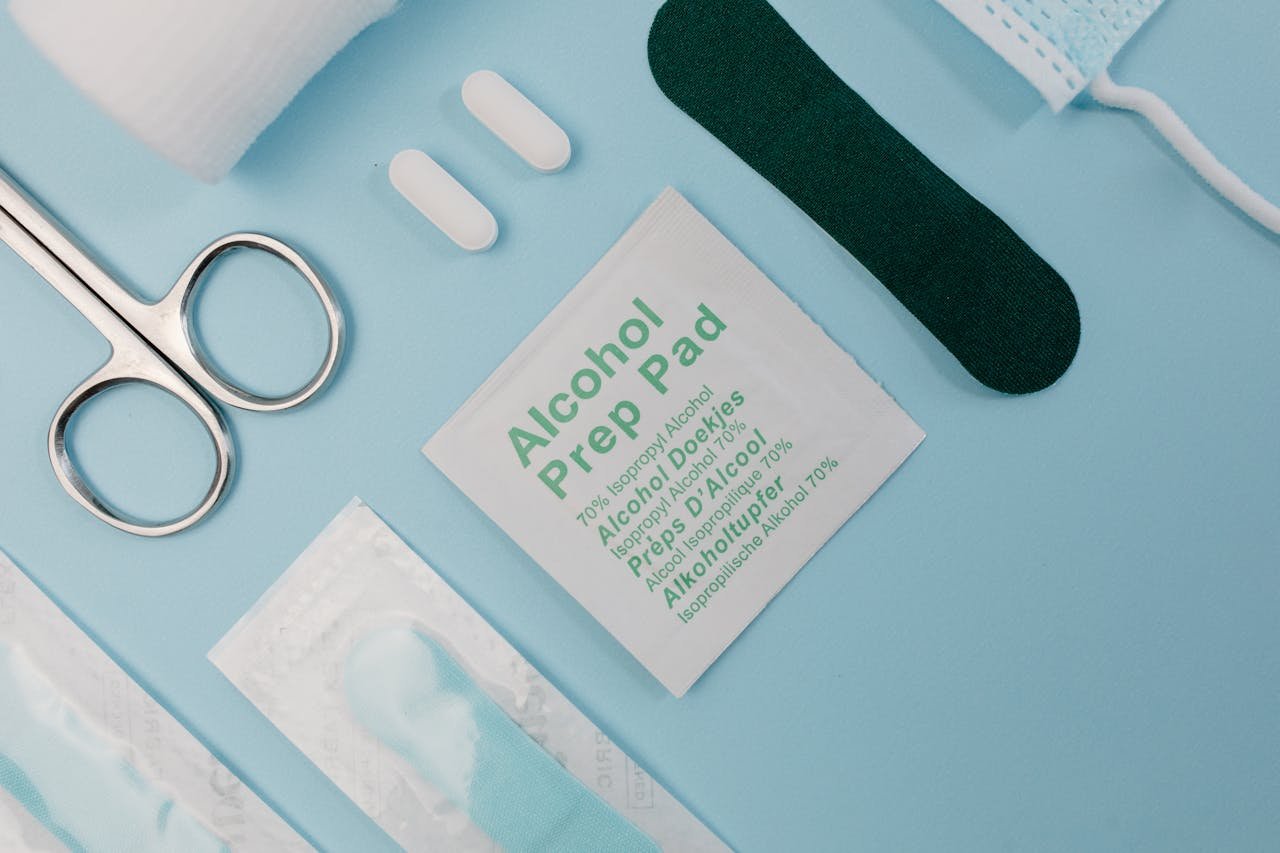
Medical supplies play a vital role in healthcare systems around the world. From hospitals and clinics to home healthcare environments, reliable medical equipment ensures safe treatment, accurate diagnosis, and effective patient care.
Using high-quality medical supplies helps healthcare providers perform their work efficiently while ensuring patient safety and comfort.
Supporting Patient Safety
Patient safety is one of the most important aspects of healthcare. Medical supplies that meet quality standards reduce the risk of complications, infections, and inaccurate results.
For example, reliable diagnostic tools help ensure accurate readings, which allow healthcare providers to make informed medical decisions.
Using low-quality or unreliable equipment can lead to incorrect measurements and potentially affect treatment outcomes.
Ensuring Accurate Monitoring
Many medical supplies are used to monitor vital health indicators such as blood pressure, body temperature, and oxygen levels. Accurate monitoring is essential for detecting changes in health conditions and determining appropriate treatments.
High-quality devices are designed to provide consistent and dependable readings, which helps healthcare professionals maintain confidence in their assessments.
Improving Efficiency in Healthcare Settings
Hospitals and clinics rely heavily on medical supplies to maintain smooth operations. When healthcare workers have access to reliable equipment, they can focus on patient care without worrying about equipment failure.
Durable medical supplies also reduce the need for frequent replacements, helping healthcare facilities operate more efficiently.
Supporting Home Healthcare
Healthcare is increasingly moving beyond hospitals into homes. Many patients now manage chronic conditions or recover from illnesses at home with the help of medical equipment.
Reliable home healthcare supplies allow individuals to monitor their health safely and comfortably. Devices such as blood pressure monitors, thermometers, and pulse oximeters help patients track their condition and communicate important information to healthcare providers.
Maintaining Hygiene and Infection Control
Medical supplies also play an important role in hygiene and infection prevention. Items such as gloves, sterile dressings, and sanitizing products help maintain safe environments in both medical facilities and homes.
Proper hygiene practices are essential for preventing the spread of infections and protecting both patients and caregivers.
Choosing Trusted Medical Equipment
When purchasing medical supplies, it is important to choose products from reliable sources that prioritize quality and safety. Healthcare equipment should meet appropriate standards and be designed for practical medical use.
Investing in dependable medical supplies ultimately contributes to better healthcare outcomes and improved patient experiences.
Quality equipment helps ensure that healthcare providers and individuals alike have the tools they need to support health and well-being.
