- Your cart is empty
- Continue Shopping


The Importance of Medical Diagnostic Tools in Everyday Healthcare
- Guide
- Posted on
-
by Editorial Staff
- 0 comments
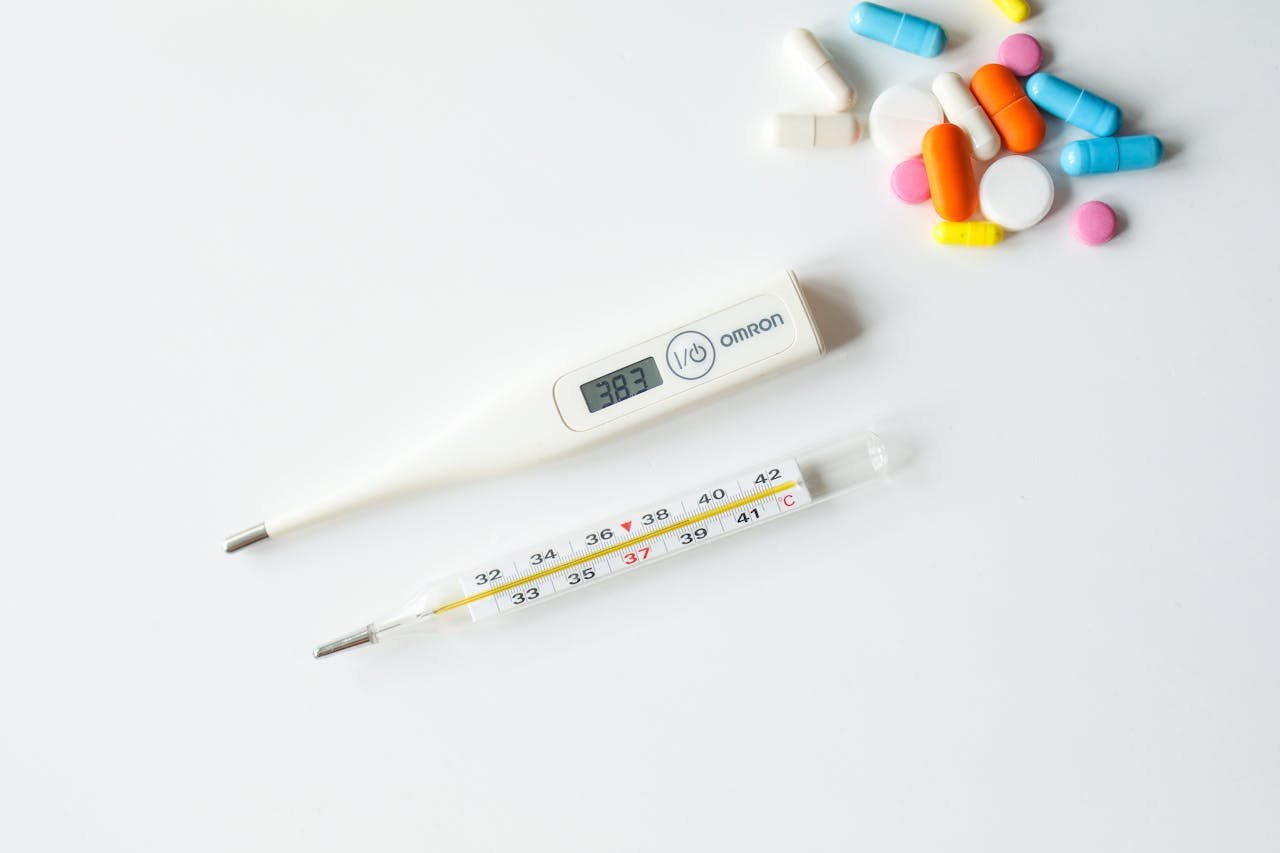
Medical diagnostic tools play a critical role in modern healthcare. These devices allow healthcare professionals and individuals to monitor important health indicators, detect potential problems early, and make informed decisions about treatment and care.
As healthcare technology continues to evolve, diagnostic tools are becoming more accessible for both clinical environments and home use.
What Are Diagnostic Tools?
Diagnostic tools are devices used to measure, monitor, and evaluate different aspects of a person’s health. These tools help identify medical conditions and track changes in health over time.
Common examples of diagnostic tools include:
- Thermometers
- Blood pressure monitors
- Stethoscopes
- Pulse oximeters
- Glucose monitors
Each of these devices provides valuable information that can assist healthcare providers in assessing patient health.
Early Detection of Health Conditions
One of the most important benefits of diagnostic tools is early detection. Identifying health issues in their early stages can significantly improve treatment outcomes.
For example, monitoring blood pressure regularly can help detect hypertension before it leads to serious complications such as heart disease or stroke.
Similarly, monitoring oxygen levels with a pulse oximeter can help identify respiratory problems early.
Supporting Healthcare Professionals
Diagnostic tools help healthcare professionals make accurate assessments during medical examinations. Devices such as stethoscopes allow doctors to listen to heart and lung sounds, while blood pressure monitors measure cardiovascular function.
These tools provide measurable data that supports medical decision-making and improves the accuracy of diagnoses.
Home Healthcare Monitoring
Many diagnostic tools are now designed for home use, allowing individuals to monitor their health without frequent clinic visits.
Home monitoring devices help patients track chronic conditions, measure vital signs, and share data with healthcare providers when needed.
This approach encourages proactive health management and allows patients to take a more active role in maintaining their well-being.
Improving Patient Outcomes
When individuals have access to reliable diagnostic tools, they are better equipped to detect changes in their health. Early awareness allows for faster medical attention, which can lead to improved treatment outcomes.
Regular monitoring also helps patients stay consistent with treatment plans and follow medical recommendations more effectively.
The Future of Healthcare Monitoring
Advancements in technology continue to improve diagnostic tools, making them more accurate, portable, and user-friendly.
As these tools become more widely available, they will continue to play a major role in preventive healthcare and early disease detection.
Reliable diagnostic equipment empowers both healthcare professionals and individuals to make better decisions about health and wellness.
