- Your cart is empty
- Continue Shopping


Top Blood Glucose Monitors of 2026: Accurate & Cost-Effective

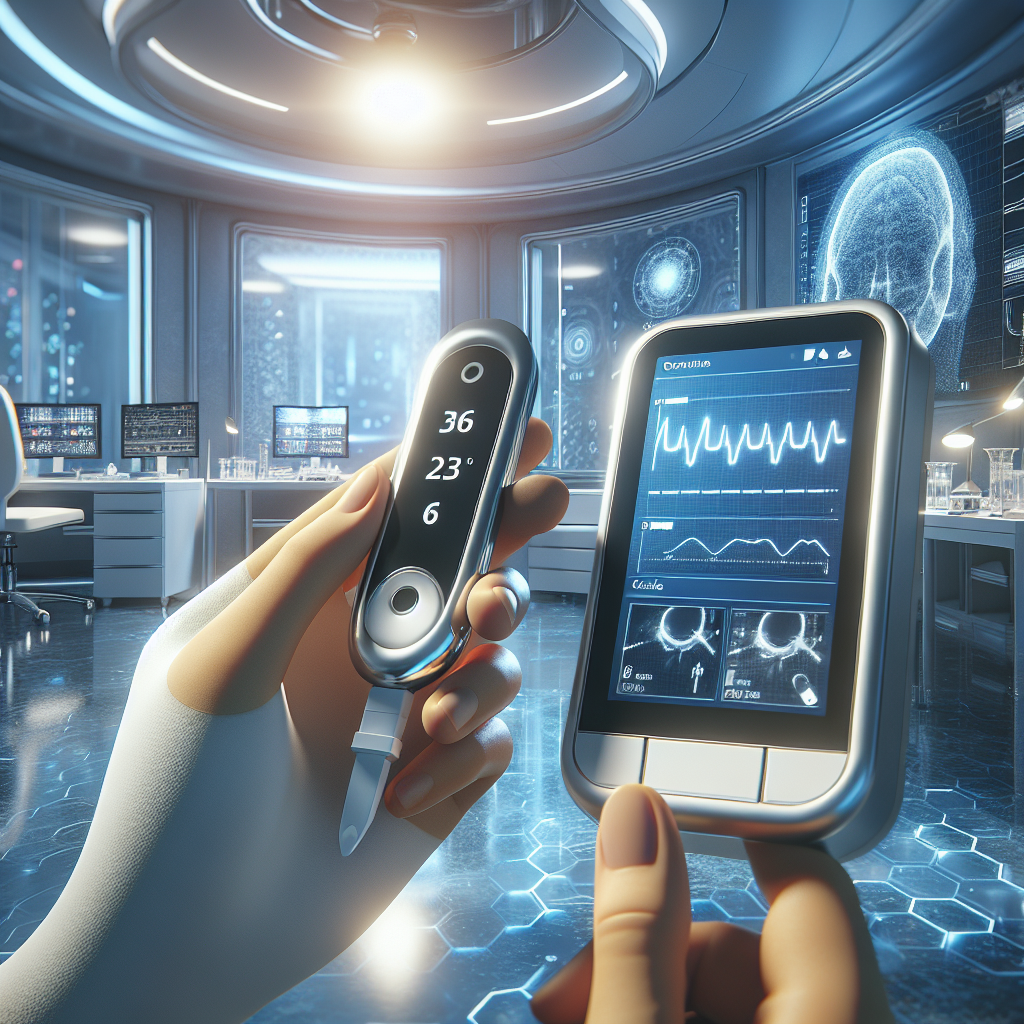
Key Takeaways
- Advanced blood glucose monitors in 2026 offer improved accuracy and user-friendly features for effective diabetes management.
- Cost-effectiveness varies between personal and professional devices; balancing price and functionality is essential.
- Long-term benefits stem from investing in monitors with connectivity, data analysis, and extended sensor life.
- Understanding device features helps optimize daily monitoring routines and enhances patient compliance.
Introduction
With diabetes management becoming increasingly data-driven, the role of blood glucose monitors is more critical than ever. As we enter 2026, the landscape of glucose monitoring technologies has significantly evolved, featuring enhanced precision, ease of use, and connectivity options that empower both individuals and healthcare professionals. Selecting the ideal monitor requires a comprehensive understanding of the latest advancements, cost considerations, and usability aspects to ensure optimal health outcomes. This article offers an in-depth comparison of the top blood glucose monitors for 2026, guiding readers through crucial factors such as accuracy discrepancies, feature sets, and long-term value. Whether for personal use or professional settings, this guide supports informed decisions tailored to diverse needs within diabetes care.
Understanding the Latest Advancements in Blood Glucose Monitoring Technology
Enhanced Sensor Accuracy and Calibration
The newest monitors integrate advanced sensor technologies that deliver higher precision readings with minimal calibration requirements. Continuous glucose monitoring (CGM) systems now use improved enzymatic sensors and real-time data processing, reducing lag and increasing data reliability. These enhancements assist in tighter glycemic control and more proactive treatment adjustments.
Integration with Digital Health Platforms
Modern devices are designed for seamless compatibility with smartphones and cloud-based applications, facilitating data sharing with healthcare providers. Features like automated trend analysis, alerts for hypo- and hyperglycemia, and remote monitoring capabilities improve patient engagement and clinical decision-making.
Cost-Effectiveness and Device Selection
Comparing Personal vs. Professional Monitors
Personal glucose monitors prioritize ease of use, affordability, and portability, while professional-grade devices often include enhanced accuracy and data management tools suitable for clinical environments. Evaluating devices within budget constraints without compromising essential features is key. For broader insight, consult Top Medical Products for Chronic Disease Management 2026.
Cost Over Time: Test Strips and Sensor Replacement
Ongoing costs like test strips and sensor replacements can impact overall value. Devices with longer sensor lifespan or reusable components can lower total expenditure. Careful consideration of these factors ensures sustainability in daily diabetes management.
User-Friendly Features That Enhance Daily Diabetes Management
Display and Interface Design
Clear displays, intuitive menus, and backlit screens contribute to ease of use, especially for elderly users or those with visual impairments. Voice guidance and customizable alerts further augment user experience.
Portability and Sample Size Requirements
Compact designs and minimal blood sample requirements make blood glucose monitoring less intrusive. These ergonomic improvements support routine adherence, thereby improving long-term health outcomes.
Accuracy Differences Among Top-Rated Monitors
Clinical Validation and Regulatory Compliance
Choosing monitors compliant with stringent regulatory standards (e.g., FDA, CE) is critical for accuracy assurance. Comparative studies often highlight variations in mean absolute relative difference (MARD) scores among devices, indicating different levels of accuracy.
Impact of Environmental and Physiological Factors
Factors such as temperature, humidity, and patient hydration status can influence sensor performance. Devices with built-in compensation for these variables provide more consistent results.
Evaluating Long-Term Benefits of Advanced Monitoring Tools
Data Analytics and Predictive Insights
Beyond immediate measurements, advanced monitors offer data trend visualization and predictive analytics to anticipate glycemic trends. This functionality supports proactive intervention and reduces complication risks.
Connectivity and Interoperability
Integration with electronic health records and telemedicine platforms enhances coordinated care. For further exploration on device integration within medical equipment, see the Durable Medical Equipment Selection Guide 2026.
Conclusion
Selecting the right blood glucose monitor in 2026 involves a holistic assessment of technological advancements, cost-management, user-friendliness, and long-term benefits. Emerging monitors present enhanced accuracy, connectivity, and usability that support effective diabetes care for diverse user profiles. Careful consideration of device features, supported by thorough clinical validation and integration capacity, ensures improved patient outcomes and quality of life. Leveraging resources like Top Regular Medical Products Comparison Guide 2026 can assist in making well-informed choices aligned with individual or clinical requirements.
Frequently Asked Questions
What features should I prioritize when choosing a blood glucose monitor?
Prioritize accuracy, ease of use, cost-effectiveness, and connectivity options. Features like minimal calibration, continuous monitoring, and data sharing capabilities are critical for optimal diabetes management.
How do continuous glucose monitors differ from traditional glucometers?
Continuous glucose monitors (CGMs) provide real-time glucose readings through a sensor inserted under the skin, allowing for trend analysis and alerts. Traditional glucometers require blood samples and offer point-in-time measurements.
Are expensive monitors always more accurate?
Not necessarily. While higher-priced models often include advanced features and better sensor technology, it’s essential to review clinical validation data. Affordability combined with certified accuracy can provide excellent value.
Can blood glucose monitors connect with smartphones?
Many modern devices offer Bluetooth connectivity and companion apps for data tracking, alerts, and remote sharing with healthcare providers, enhancing management and compliance.
How often should replacement sensors or strips be purchased?
This depends on the device and usage frequency. Sensors typically last between 7 to 14 days for CGMs, while test strip consumption varies with daily testing rates. Budgeting for ongoing supplies is important for uninterrupted monitoring.
