- Your cart is empty
- Continue Shopping


Nebulizers vs Inhalers: Choosing the Right Device in 2026

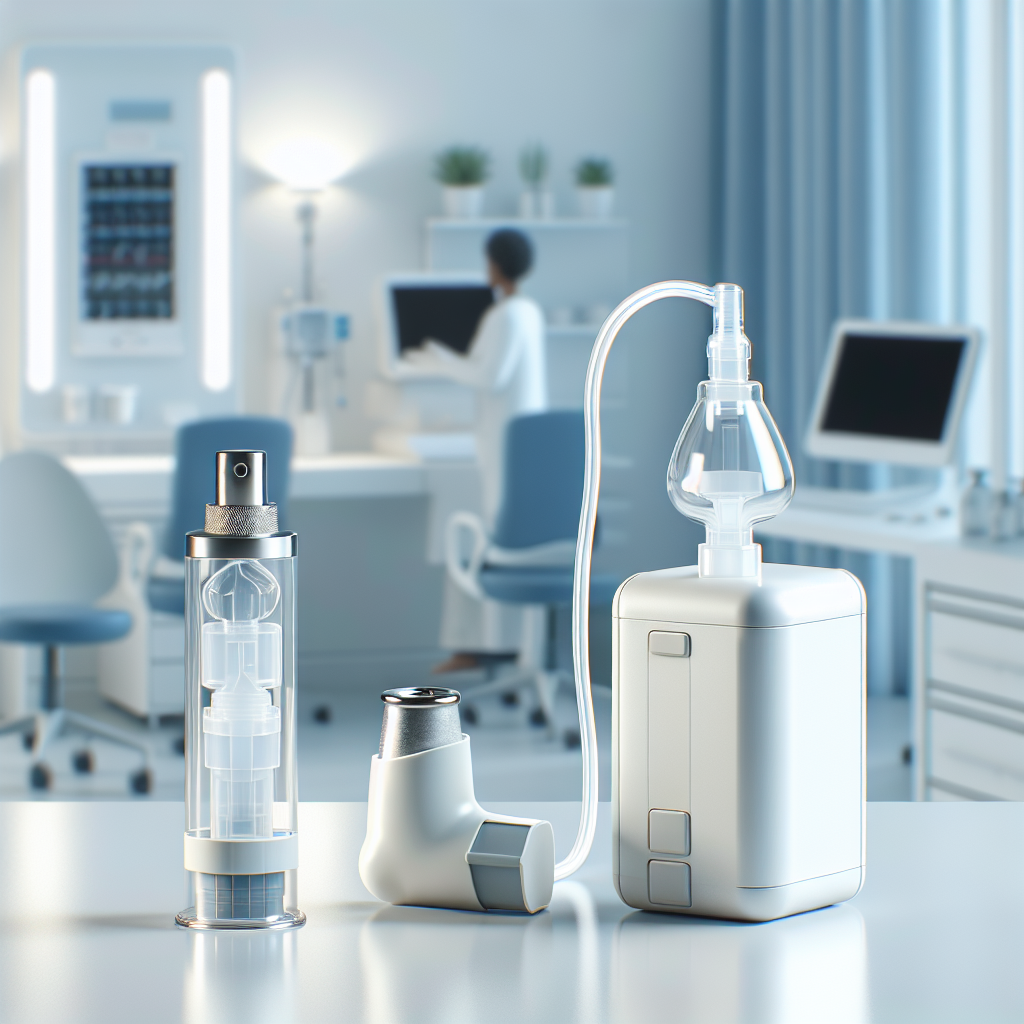
Key Takeaways
- Nebulizers and inhalers differ in technology, cost, and patient compliance, impacting treatment effectiveness.
- Recent advancements have improved nebulizer portability and ease of use, closing the gap with inhalers.
- Inhalers offer greater convenience and cost-efficiency, but nebulizers are preferable for certain chronic respiratory conditions.
- Maintenance demands vary; understanding them ensures optimal device function and hygiene.
- Choosing the right device is critical for effective disease management and patient adherence.
Introduction
In 2026, respiratory care continues to evolve with significant advancements in nebulizer technology and inhaler design. Patients with chronic respiratory diseases such as asthma and COPD often face the choice between nebulizers and inhalers. This decision is crucial, as it directly impacts treatment effectiveness, patient compliance, and overall health outcomes. Understanding the differences between these two delivery systems—including their cost-effectiveness, maintenance requirements, and suitability for various conditions—is essential for both healthcare providers and patients. This article provides a comprehensive comparison of nebulizers and inhalers, drawing on the latest medical insights and expert recommendations to help guide informed decision-making.
Understanding Nebulizers
Technological Advancements
Nebulizers have traditionally been bulky devices designed to convert liquid medication into a fine mist, allowing patients to inhale the medication deeply into their lungs. Recent innovations have led to smaller, quieter, and more portable nebulizers, making them more user-friendly and accessible for home use. These advancements have enhanced drug delivery consistency and reduced treatment time, which can improve patient outcomes especially for severe respiratory conditions.
Maintenance and Usage
Cleaning and maintaining a nebulizer is critical to prevent infections and ensure effective medication delivery. Users must regularly sanitize components and replace parts like masks and tubing based on manufacturer guidelines. Proper maintenance can influence device longevity and hygiene, particularly in chronic care scenarios.
Insights Into Inhalers
Cost-effectiveness and Portability
Inhalers, including pressurized metered-dose inhalers (pMDIs) and dry powder inhalers (DPIs), are compact, lightweight, and generally less expensive over time compared to nebulizers. Their design promotes easy portability, making them highly convenient for patients needing quick relief or maintenance therapy throughout the day. This cost-efficiency often makes inhalers the preferred choice in outpatient management.
Patient Compliance and Technique
Correct inhaler technique is paramount for optimal drug delivery — improper usage can significantly reduce treatment benefits. Patients may require training to use inhalers effectively, and healthcare providers should emphasize this during consultations. Despite these challenges, inhalers usually demonstrate higher compliance rates given their convenience and speed of administration.
Comparative Analysis
Which Device Is Better for Chronic Conditions?
While inhalers are suited for many patients due to ease of use and portability, nebulizers remain essential for individuals with severe respiratory limitations or difficulty managing inhaler technique. For example, young children, elderly patients, or those experiencing acute exacerbations often benefit from nebulized treatments. Choosing the right device must account for patient ability, disease severity, and lifestyle factors.
Cost and Healthcare Resource Considerations
From a healthcare perspective, inhalers usually impose lower costs for both patients and providers compared to nebulizers, which require more accessories and maintenance supplies. However, the initial investment in advanced portable nebulizers is decreasing, narrowing this gap. Evaluating long-term cost-effectiveness involves balancing device price, adherence, and clinical outcomes.
Expert Recommendations for Device Selection
Healthcare practitioners should consider comprehensive patient assessment when recommending respiratory devices. This includes evaluating lung function, cognitive and physical ability, lifestyle, and patient preference. Additionally, awareness of the importance of quality healthcare equipment, as discussed in why quality medical supplies matter in healthcare, is vital for optimizing treatment success.
Conclusion
Selecting between nebulizers and inhalers in 2026 involves weighing multiple factors: recent technological enhancements, patient compliance, cost, and maintenance. While inhalers offer unmatched portability and affordability, nebulizers remain indispensable for specific patient groups requiring thorough medication delivery. Informed choices, supported by expert guidance and healthcare provider collaboration, ensure effective respiratory disease management and improved patient quality of life.
Frequently Asked Questions
What are the main differences between nebulizers and inhalers?
Nebulizers convert liquid medication into a mist inhaled through a mouthpiece or mask, requiring longer administration time, while inhalers deliver medication in quick puffs. Nebulizers often suit patients with severe conditions or difficulty using inhalers.
Are nebulizers more expensive than inhalers?
Generally, nebulizers have higher upfront costs and require ongoing maintenance expenses. Inhalers tend to be more cost-effective for regular outpatient use.
Can all patients use either device interchangeably?
Not always. Patient age, coordination, severity of respiratory disease, and personal preference influence the suitability of nebulizers versus inhalers.
How often should nebulizers be cleaned?
Nebulizers should be cleaned after every use, with thorough sanitization weekly to prevent infections and maintain efficacy.
Does inhaler technique affect treatment outcomes?
Absolutely. Incorrect inhaler use can reduce medication delivery, leading to suboptimal control of respiratory symptoms. Professional guidance is recommended for proper technique.
