- Your cart is empty
- Continue Shopping


Top Portable Oxygen Concentrators: Features and Comparisons

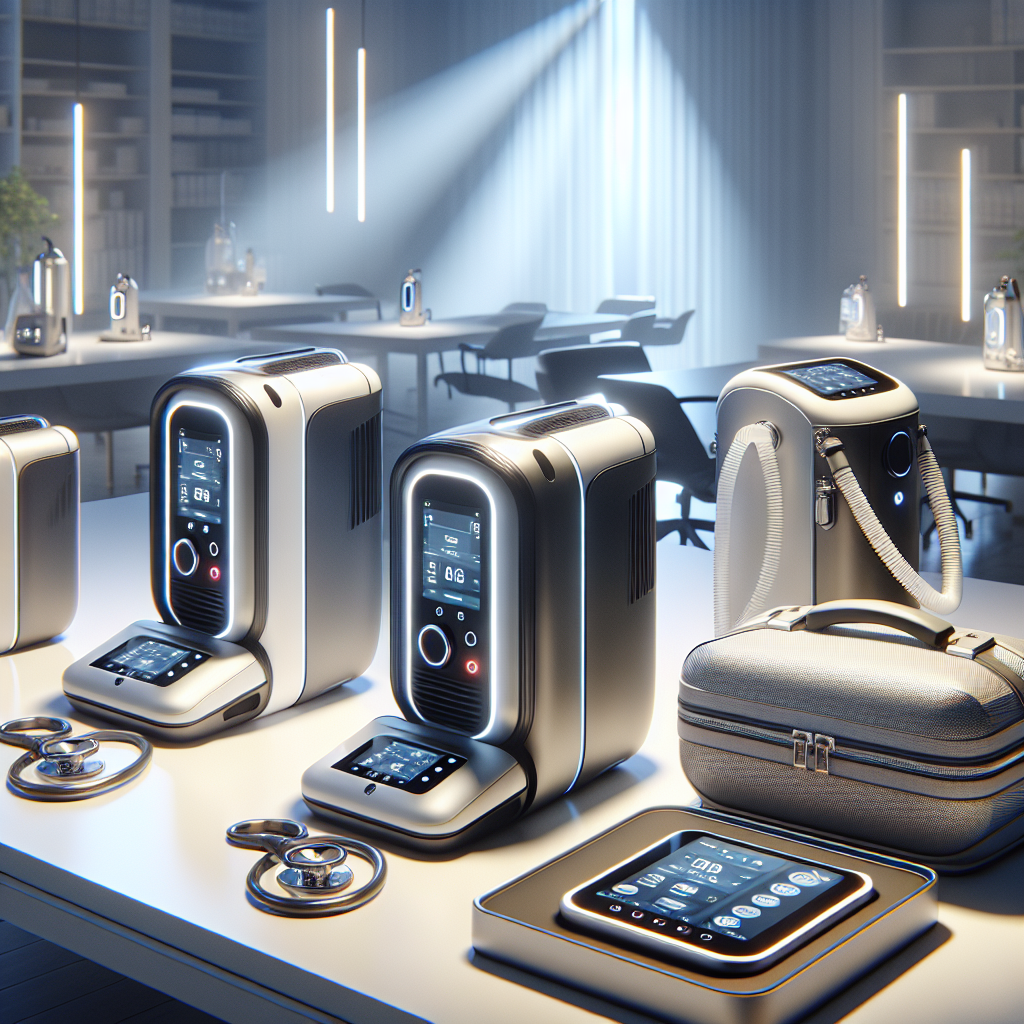
Key Takeaways
- Portable oxygen concentrators (POCs) vary widely in terms of efficiency, weight, and battery life, impacting their suitability for differing user needs.
- Modern POCs offer advanced features such as pulse-dose delivery, quiet operation, and compatibility with travel regulations.
- Cost and insurance coverage are critical factors when selecting a device; understanding maintenance and support extends device lifespan.
- Choosing the right POC involves balancing portability, oxygen output, and lifestyle compatibility.
Introduction
Portable oxygen concentrators (POCs) have revolutionized oxygen therapy by providing mobility and independence to patients requiring supplemental oxygen. As technology advances, the market offers a diverse array of models tailored to various medical needs and lifestyles. Selecting a device that aligns with both clinical requirements and daily activities is critical for optimizing health outcomes and quality of life. This article presents a comprehensive overview of top portable oxygen concentrators, comparing their features, assessing suitability, and highlighting recent innovations in the field. Additionally, we discuss cost considerations and provide expert advice on device maintenance, ensuring long-term reliability.
Advancements in Portable Oxygen Concentrator Technology
The landscape of POCs has shifted dramatically with innovations emphasizing efficiency, user comfort, and compliance with air travel regulations. Modern units are increasingly lightweight, with many models offering pulse-dose oxygen delivery systems that adjust flow based on user activity, conserving battery life without compromising oxygen therapy effectiveness. Furthermore, noise reduction technology has made devices more discreet, promoting user confidence in social and professional settings.
Pulse-Dose vs Continuous Flow
Pulse-dose delivery administers oxygen only when a breath is detected, enhancing battery efficiency and portability. Continuous flow, while less power-efficient, is sometimes necessary for users requiring a constant oxygen supply. Understanding this distinction is vital when evaluating model options based on prescribed therapy.
Battery Longevity and Portability
Battery life ranges widely among devices, with some models offering over 8 hours of continuous use on a single charge. Compact designs are a priority, balancing lightweight materials with durable construction to withstand daily transport. Models compliant with FAA regulations streamline travel experiences for users reliant on oxygen therapy.
Comparing Leading Portable Oxygen Concentrators
Evaluating the top models requires a detailed look at efficiency, size, weight, and user interface. For instance, the LifeChoice Inspire and Inogen One G5 are prominent for their airline compatibility and quiet operation. Similarly, Philips Respironics SimplyGo provides continuous flow options suitable for users with higher oxygen needs.
Efficiency and Oxygen Output
Efficiency metrics include oxygen concentration consistency and flow accuracy. Devices capable of delivering steady 90% oxygen concentration across demand levels ensure therapeutic effectiveness. Users with higher activity levels may prioritize models with adjustable output settings reflecting real-time oxygen demands.
User-Friendly Features
Features such as intuitive controls, clear displays, and alerts for battery status or oxygen levels improve usability. Designing for ease of maintenance and filter replacement also contributes to device longevity. Reviewing user manuals and support services can inform on device-friendliness.
Assessing Suitability for Medical and Lifestyle Needs
Medical necessity, physical capacity, and lifestyle preferences shape the choice of POC. Active individuals may prioritize ultra-portability and extended battery life, while others might require continuous flow units for more severe oxygen requirements.
It’s also beneficial to consider how the device integrates with other home care products. Readers interested in broader comparisons can explore Top Home Care Medical Products Compared 2026 for an extensive view of complementary medical equipment.
Travel and Mobility
FAA approval and compact design facilitate hassle-free travel. Many contemporary models include carrying cases and vehicle adapters, enhancing their usability during extended outings or vacations.
Insurance Coverage and Cost Considerations
POCs represent a significant investment, with prices varying from $1,500 to over $3,500. Reviewing insurance options and Medicare eligibility can mitigate costs. Understanding warranty terms and service agreements is also crucial for financial planning.
Maintenance and Maximizing Device Lifespan
Routine cleaning, periodic filter replacements, and battery care influence device durability. Adhering to manufacturer guidelines ensures consistent performance and safety. Moreover, users should schedule regular check-ups with suppliers or healthcare providers.
Expert Tips for Device Care
- Clean exterior surfaces regularly with a damp cloth to prevent dust accumulation.
- Replace filters as recommended, typically every 3–6 months, depending on usage and environment.
- Avoid exposing the concentrator to extreme temperatures or moisture.
- Charge batteries fully before extended use and store them appropriately when not in use.
Conclusion
Selecting the right portable oxygen concentrator is a nuanced process requiring careful consideration of medical requirements, lifestyle preferences, and cost factors. Advances in POC technology have expanded options, offering greater portability, improved energy efficiency, and user-friendly features. Users are encouraged to consult with healthcare professionals and consider insurance provisions to make an informed investment. Maintaining devices per manufacturer guidelines preserves functionality and supports patient independence. For those interested in understanding how POCs fit within broader medical product ecosystems, reviewing resources such as the 2026 Guide: Top Regular Medical Products Compared can provide additional insights.
Frequently Asked Questions
What is the difference between pulse-dose and continuous flow POCs?
Pulse-dose concentrators deliver oxygen only during inhalation, optimizing battery life, while continuous flow models provide a steady oxygen supply throughout, essential for patients needing constant oxygen levels.
Are portable oxygen concentrators safe to use during air travel?
Most modern POCs are FAA-approved for air travel, but users should verify model certification and carry appropriate documentation when flying.
How long do batteries typically last on a single charge?
Battery life varies by model and flow rate but generally ranges from 4 to 8 hours. Higher pulse settings and continuous flow use tend to reduce battery duration.
Can I use a portable oxygen concentrator at night while sleeping?
Yes, though users should ensure the device provides sufficient oxygen output during sleep, especially if prescribed continuous flow therapy, which some pulse-dose POCs may not adequately support.
Is maintenance difficult on portable oxygen concentrators?
Maintenance is generally straightforward and includes regular cleaning and scheduled filter replacement. Following manufacturer guidelines helps maintain device performance and longevity.
