- Your cart is empty
- Continue Shopping


Best Blood Glucose Meter 2026: Top Accurate & User-Friendly Picks

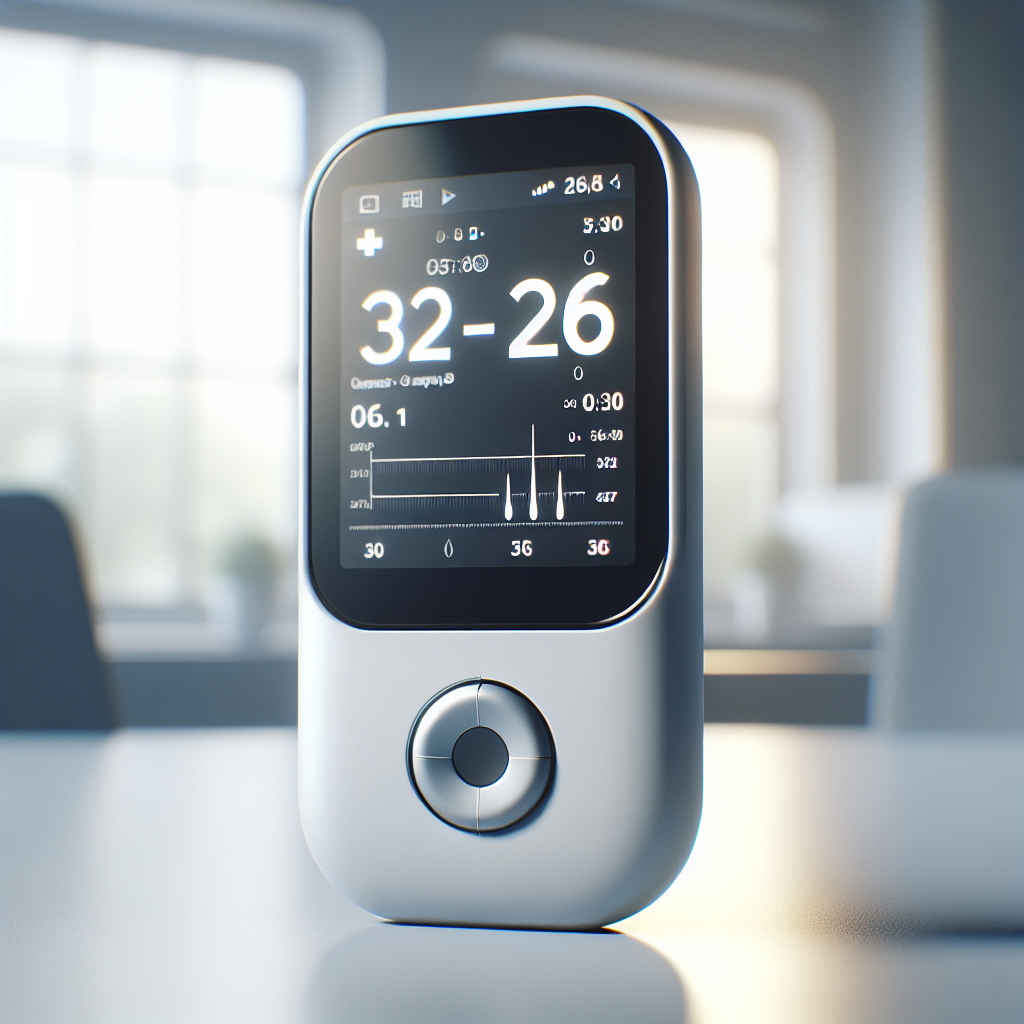
Key Takeaways
- Latest blood glucose meters in 2026 offer enhanced accuracy and connectivity features.
- Evaluating cost-effectiveness involves considering test strip prices, device longevity, and warranty.
- User-friendly features such as Bluetooth syncing and large display screens simplify daily glucose monitoring.
- Proper maintenance ensures long-term reliability and accurate results from your glucose meter.
Introduction
With diabetes management becoming increasingly sophisticated, choosing the best blood glucose meter in 2026 is more critical than ever. Recent advancements in glucometer technology have introduced a new generation of devices that prioritize accuracy, convenience, and user engagement. This comprehensive guide is designed to help patients, caregivers, and healthcare professionals navigate the evolving market by highlighting key factors that impact meter performance and cost-effectiveness. Whether you are upgrading your current device or selecting your first monitor, understanding these elements is essential to ensure consistent and reliable blood glucose tracking.
In addition to technical specifications, user-friendly features like mobile app integration and intuitive interfaces play a significant role in daily glucose monitoring adherence. Furthermore, regular maintenance and adherence to best practices can prolong device life and accuracy. This article also connects you with expert reviews and resources, including the Top Blood Glucose Monitors 2026: Expert Buying Guide, to empower your selection process.
Understanding the Latest Advancements in Blood Glucose Meter Technology
Enhanced Accuracy through Improved Sensors
The introduction of next-generation biosensors and enzymatic technologies has significantly improved the accuracy of blood glucose readings. Modern meters use advanced amperometric sensors that require smaller blood sample sizes while providing rapid and consistent results. Innovations like continuous glucose monitoring compatibility and AI-driven data analytics further complement traditional meters, offering comprehensive glucose management solutions.
Integration and Connectivity Features
Bluetooth-enabled meters enable seamless synchronization with smartphones and cloud platforms, allowing users to track trends and share data easily with healthcare providers. These integrations improve patient engagement and facilitate informed decision-making by offering actionable insights derived from longitudinal glucose data.
Key Factors Impacting Accuracy and Reliability
Calibration and Quality Control
Accurate calibration and regular quality control tests are essential for optimal meter performance. Many 2026 models include built-in calibration checks or require control solutions to verify meter accuracy periodically. Choosing meters with FDA clearance or ISO certifications ensures compliance with stringent accuracy standards.
Environmental and User Variables
Factors such as temperature, altitude, and user technique can influence readings. Contemporary models incorporate algorithms to compensate for environmental conditions, reducing error margins. Additionally, user training on proper sample collection and meter handling remains vital for reliable outcomes.
Evaluating Cost-Effectiveness of Different Models
Upfront Costs versus Long-Term Expenses
When assessing blood glucose meters, it’s important to consider not only the initial purchase price but also the recurring cost of test strips, lancets, and batteries. Some models offer subscription-based test strips or bulk purchasing discounts, which can reduce ongoing costs significantly.
Warranty and Customer Support
Robust warranty coverage and responsive customer support are indicators of a manufacturer’s commitment to quality. Extended warranties and accessible support can mitigate unexpected expenses related to repairs or replacements.
User-Friendly Features That Enhance Daily Monitoring
Display and Interface Design
Devices with large, high-contrast displays and simple navigation menus make it easier for users of all ages to operate the meters efficiently. Voice assistance and multilingual options are becoming increasingly common to accommodate diverse user bases.
Data Management and Reporting
Advanced meters provide customizable reports, trend analyses, and alerts for hypo- or hyperglycemia episodes. These features support proactive health management and better communication with healthcare teams.
Expert Tips on Maintaining Optimal Device Performance
Regular Cleaning and Storage
Keeping the meter clean and storing it at recommended temperatures extends its lifespan. Avoid moisture exposure and protect the device from shocks or drops.
Routine Accuracy Checks
Performing control tests using manufacturer-supplied solutions helps verify meter consistency. Replace test strips before their expiration date and use fresh lancets for each test to maintain hygiene and accuracy.
Conclusion
Selecting the best blood glucose meter in 2026 requires a balanced approach that considers technological advancements, accuracy, user experience, and cost-effectiveness. Leveraging up-to-date knowledge and expert resources can significantly improve diabetes self-management outcomes. By prioritizing features that align with personal needs and lifestyle, users can maintain reliable glucose monitoring that supports better health decisions.
For individuals exploring comprehensive options beyond glucose meters, reviewing the Top Medical Supplies for Chronic Care in 2026 Compared offers additional insights into complementary medical products enhancing chronic disease management.
Frequently Asked Questions
What should I consider when choosing a blood glucose meter?
Key considerations include accuracy, ease of use, cost of consumables, connectivity options, and compatibility with your healthcare provider’s systems. Evaluating these factors helps select a device that fits your specific health needs.
How often should I calibrate or check my glucose meter?
Many modern meters require minimal calibration, but performing control solution tests monthly or according to the manufacturer’s guidelines ensures accuracy. Always follow the user manual for precise instructions.
Are Bluetooth-enabled glucose meters more beneficial?
Yes, meters with Bluetooth connectivity simplify data tracking by syncing results with apps, allowing easier monitoring of glucose trends and better communication with healthcare teams.
How do environmental factors affect glucose meter accuracy?
Temperature variations, humidity, and altitude can impact test results. Utilizing devices designed with environmental compensation and proper storage reduces potential inaccuracies.
Can I use the same meter for multiple users?
While some meters allow multiple user profiles, cross-contamination risks exist. It’s generally advisable for each individual to have a dedicated meter to ensure hygiene and accurate personal data.
