- Your cart is empty
- Continue Shopping


Advanced Medical Product Comparisons for 2026

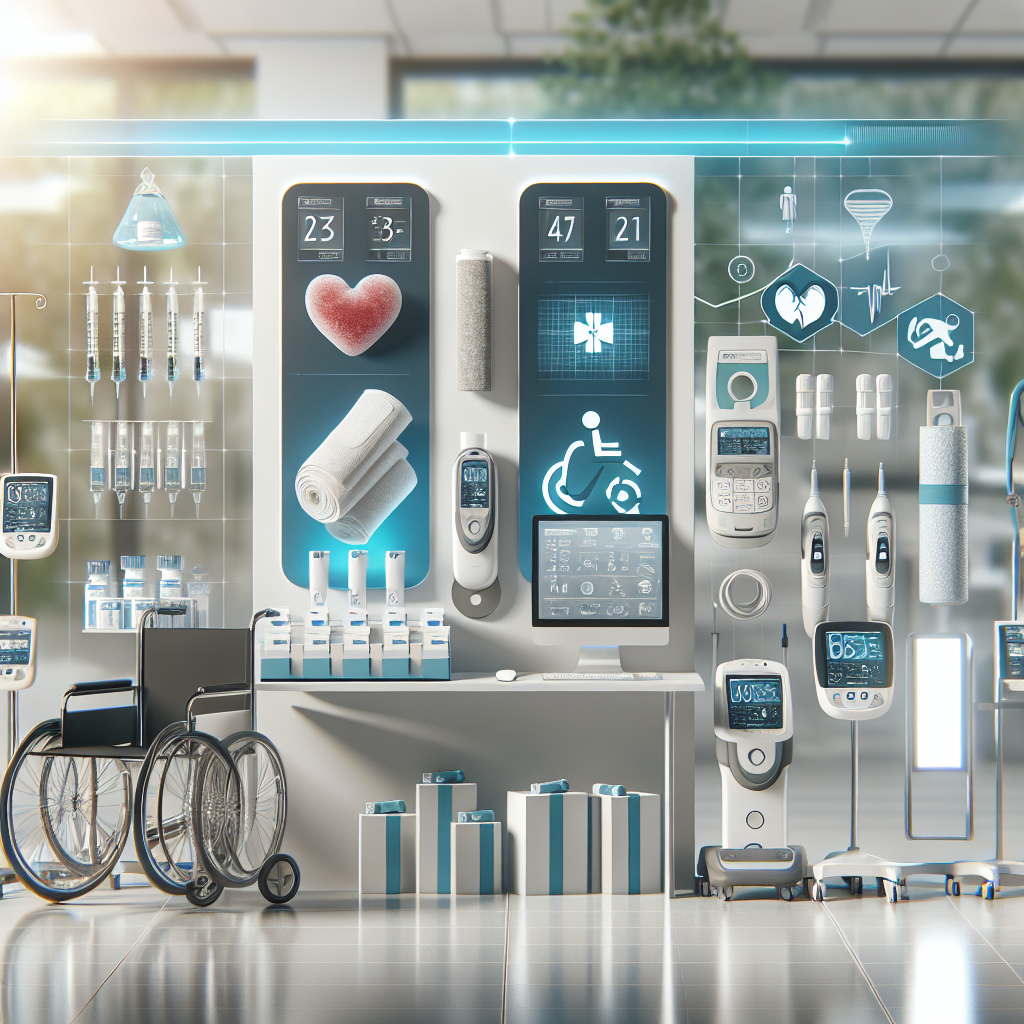
Key Takeaways
- Innovations in wound care technology are advancing healing outcomes significantly.
- Choosing the right diabetes management tools improves patient compliance and health results.
- Mobility aids continue to evolve, offering enhanced independence and usability.
- Cost-effective medical supplies are critical for sustainable patient care and facility budgeting.
- Product selection in 2026 depends on functionality, patient needs, and emerging healthcare trends.
Introduction
As the medical landscape evolves in 2026, staying informed about advanced medical products is essential for healthcare professionals and patients alike. This year brings notable innovations across several categories, from wound care and diabetes management to mobility aids, each designed to optimize treatment efficiency and patient quality of life. Understanding the nuances behind these products, including their technological improvements, cost-effectiveness, and practical applications, enables better decision-making in clinical and home settings.
This article provides an in-depth comparison of key medical product categories, emphasizing strategic insights critical for effective selection and usage. By integrating updated knowledge and reputable sources such as the Top Regular Medical Products Comparison Guide 2026, readers can confidently navigate the expanding options available in the market.
Innovations in Wound Care
Enhanced Healing Technologies
Wound care has witnessed significant technological advancements, including the integration of bioactive dressings and smart sensors that monitor healing progression in real time. These innovations facilitate targeted treatment, reducing recovery times and minimizing complications.
Product Selection Criteria
When evaluating wound care products, factors such as moisture control, antimicrobial properties, and patient comfort are paramount. Latest reviews highlight several brands offering superior outcomes without elevating costs dramatically.
Diabetes Management Tools
Top Devices for Blood Glucose Monitoring
Accurate, user-friendly blood glucose meters are pivotal for diabetes management. The 2026 models prioritize connectivity with mobile apps, rapid readings, and minimal sample requirements. For comprehensive device reviews, exploring Blood Glucose Monitors 2026: Top Devices Compared offers detailed insights.
Integration with Digital Health Platforms
Modern diabetic care tools now synchronize data with digital health platforms, enabling remote monitoring by healthcare providers and fostering personalized treatment plans that enhance patient engagement.
Advances in Mobility Aids
Design Improvements for Independence
Mobility aids such as walkers, wheelchairs, and scooters have incorporated ergonomic designs and lightweight materials, greatly improving patient autonomy. Adjustable features and enhanced stability are particularly beneficial for elderly users and those with chronic conditions.
Selecting Appropriate Mobility Solutions
Key considerations encompass durability, ease of transport, and compatibility with individual mobility needs. Choosing the right device also relies on clinical assessments and patient lifestyle preferences.
Cost-Effective Medical Supplies
Balancing Quality and Budget
Sustainable healthcare practices demand cost-effective supplies without compromising quality. Bulk purchasing, supplier evaluations, and awareness of product lifespan contribute to optimal budget management.
Emerging Trends in Supply Procurement
Technological trends facilitating inventory management and predictive analytics help healthcare providers maintain adequate stock levels, reducing waste and curtailing unnecessary expenses.
Factors Influencing Product Selection in 2026
Clinical Efficacy and User Experience
Products must demonstrate clinical effectiveness supported by evidence-based research while ensuring ease of use. Patient adherence often hinges on user-friendly designs and minimal discomfort.
Regulatory Compliance and Innovation
Compliance with evolving regulatory standards remains critical. Simultaneously, innovation drives competition leading to safer, more efficient medical equipment that meets or exceeds these requirements.
Conclusion
The medical product landscape in 2026 reflects rapid innovation coupled with strategic cost management, markedly enhancing patient care. By thoroughly evaluating the latest developments in wound care, diabetes management, mobility aids, and supply procurement practices, healthcare professionals can optimize outcomes while navigating budget constraints effectively. Staying updated through authoritative sources and comparative guides remains indispensable for making informed choices that balance efficacy, usability, and expense.
Frequently Asked Questions
What are the most important factors when selecting wound care products?
Critical factors include the product’s ability to maintain a moist wound environment, antimicrobial features, patient comfort, and cost-effectiveness. Advanced dressings also provide monitoring capabilities.
How have diabetes monitoring devices improved in 2026?
Devices now offer faster, more accurate readings with minimal blood sample requirements and integrated connectivity to digital health platforms, facilitating better management and data sharing.
Which features should patients prioritize in mobility aids?
Ergonomic design, weight, stability, and adaptability to individual mobility needs are essential. Easy transport and durability also greatly influence choice.
How can healthcare providers balance quality and cost in medical supplies?
Implementing bulk purchasing, supplier evaluation, and modern inventory management technologies help providers achieve quality care within budgetary limits.
Why is regulatory compliance important for medical product selection?
Compliance ensures safety, effectiveness, and legal standards are met. It also drives product innovation, guaranteeing that users benefit from the latest and safest medical technologies.
