- Your cart is empty
- Continue Shopping


Top Blood Pressure Monitors 2026: Features & Expert Reviews

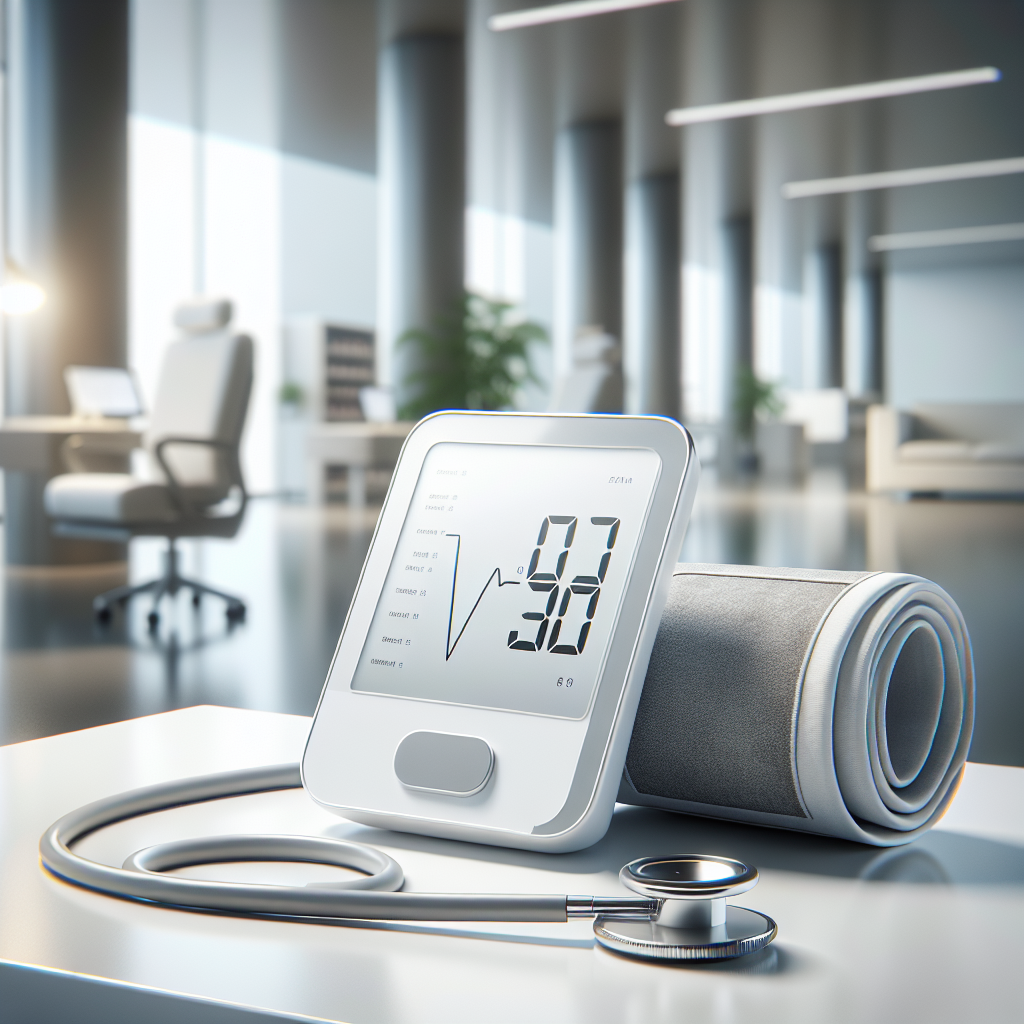
Key Takeaways
- Choosing a blood pressure monitor in 2026 requires evaluating accuracy, ease of use, and price.
- Latest models integrate advanced features like AI analysis and smartphone connectivity.
- Top brands offer varied cuff types and data management options tailored to specific health needs.
- Comparing product reviews and expert recommendations ensures optimal device selection.
Introduction
Monitoring blood pressure effectively has become crucial in managing cardiovascular health, especially with the increasing prevalence of hypertension worldwide. In 2026, the market for blood pressure monitors offers a wide array of technologically advanced options designed to suit diverse user needs. From basic digital monitors to fully integrated AI-supported devices, consumers must understand key features and functionalities to select the best product for accurate and convenient monitoring.
This article presents a comprehensive overview of the top blood pressure monitors in 2026, focusing on their standout features, user-friendliness, and value propositions. We also provide expert insights and comparisons to guide healthcare professionals and consumers in making informed decisions. Additionally, recommendations tailored to specific health conditions and lifestyles are discussed to ensure practical utility.
Key Features to Consider in 2026 Blood Pressure Monitors
Accuracy and Validation
Accuracy remains the primary criterion in evaluating blood pressure monitors. Devices validated by recognized organizations such as the American Heart Association or the European Society of Hypertension provide assurance of reliable readings. In 2026, many models employ dual-sensor technology and adaptive algorithms to minimize measurement errors caused by movement or improper cuff placement.
User-Friendliness and Ergonomics
Ease of use is paramount, especially for seniors and individuals monitoring at home. Features such as large LCD displays, one-touch operation, and adjustable cuffs enhance usability. Some devices now include voice guidance and automated positioning assistance to improve measurement consistency. Understanding cuff size compatibility is critical to avoid inaccurate results.
Connectivity and Data Management
Modern monitors increasingly incorporate Bluetooth and Wi-Fi capabilities, allowing seamless data synchronization with smartphones and cloud platforms. Mobile apps enable users to track trends over time, share data with healthcare providers, and receive personalized insights. Integration with health ecosystems is a significant advantage for comprehensive chronic disease management.
Top Blood Pressure Monitor Models of 2026
Model A: PrecisionPro AI Series
This monitor features AI-assisted diagnosis algorithms and a high-precision cuff. It offers wireless syncing with companion apps and supports multiple user profiles. Its ergonomic design caters to both home and clinical settings, making it suitable for patients requiring detailed tracking.
Model B: HealthGuard Elite Plus
HealthGuard’s flagship device emphasizes durability and accuracy, validated by leading medical authorities. It also offers optional voice activation and includes advanced arrhythmia detection. Its battery longevity and data encryption make it ideal for privacy-conscious users.
Model C: EasyTrack Compact
Designed for simplicity and portability, EasyTrack Compact is perfect for active individuals. It features one-button operation, a flexible cuff, and minimal interface clutter. While it lacks AI features, the device is prized for consistent accuracy and affordability.
Price Points and Value Assessment
Blood pressure monitor prices in 2026 range from budget-friendly under $50 models to premium devices exceeding $200. Investing in validated monitors with robust connectivity features delivers better long-term health outcomes and user satisfaction. Consumers should assess not only initial cost but also software updates, warranty, and customer support when evaluating value.
Expert Recommendations for Specific Health Needs
Individuals with arrhythmias or advanced cardiovascular conditions benefit from monitors offering specialized pulse irregularity detection and detailed analytics. For elderly users or those with limited dexterity, devices with assisted operation and audible instructions enhance compliance. Referencing the Top Medical Supplies for Chronic Disease Management 2026 provides additional insights into complementary devices supporting comprehensive care.
Integration with Broader Medical Equipment Advances
Blood pressure monitors increasingly integrate with broader durable medical equipment ecosystems, featuring standardized data sharing and interoperability. For a deeper understanding of these advances, reviewing materials on Durable Medical Equipment Advances 2026: Key Features & Insights offers valuable strategic context for long-term equipment planning.
Conclusion
Choosing the right blood pressure monitor in 2026 involves balancing accuracy, usability, connectivity, and affordability. Advances in technology have broadened options to meet diverse health needs, from AI-driven analytics to compact user-friendly designs. By assessing expert reviews, validation credentials, and user requirements, consumers and healthcare professionals can confidently select devices that enhance effective blood pressure management and overall cardiovascular care.
Frequently Asked Questions
What features should I prioritize when buying a blood pressure monitor?
Focus on validated accuracy, cuff size compatibility, ease of use, and connectivity features like Bluetooth or app integration. Additional options such as irregular heartbeat detection or multiple user profiles may be important based on health needs.
Are wrist blood pressure monitors reliable in 2026?
Wrist monitors can be accurate if used correctly, but they are generally more sensitive to positioning errors. Arm cuff monitors remain preferred for clinical-grade accuracy, especially for patients with hypertension.
How often should I calibrate my blood pressure monitor?
Calibration recommendations vary by manufacturer, but typically, monitors should be checked against clinical equipment every one to two years to ensure accuracy.
Can blood pressure monitors connect to my smartphone?
Many modern monitors feature Bluetooth or Wi-Fi connectivity, allowing data transfer to smartphones and health management apps for trend tracking and sharing with doctors.
Where can I find detailed comparisons of blood pressure monitors?
Comprehensive product comparisons and reviews are available, such as at Blood Pressure Monitors 2026: Comprehensive Comparison & Reviews, which provide side-by-side feature and performance analyses.
