- Your cart is empty
- Continue Shopping


2026 Blood Glucose Meters: Features & Top Comparisons

Key Takeaways
- 2026 blood glucose meters feature enhanced accuracy through advanced sensor technology and AI algorithms.
- User-friendly interfaces and connectivity options improve daily diabetic management and data tracking.
- Price ranges vary significantly, requiring evaluation of value propositions based on features and user reviews.
Introduction
Blood glucose monitoring remains a cornerstone of effective diabetes management. As technology advances into 2026, blood glucose meters are evolving with a strong focus on accuracy, ease of use, and seamless integration with health ecosystems. Choosing the right meter is essential for patients and healthcare providers alike to optimize daily monitoring and ensure timely interventions. This article explores the latest blood glucose meters, comparing top models based on key features, accuracy, user experience, and value. We also highlight strategic insights to help users make informed decisions in selecting meters that fit their individual needs.
Advancements in Blood Glucose Meter Technology
Enhanced Accuracy and Sensor Innovations
Recent meters leverage cutting-edge sensor technology and AI-powered algorithms to deliver readings with unprecedented accuracy. Innovations such as continuous glucose monitoring synergy and non-invasive testing options are increasingly becoming mainstream. This shift helps reduce the risk of errors and supports better glycemic control.
Improved User Interfaces and Data Connectivity
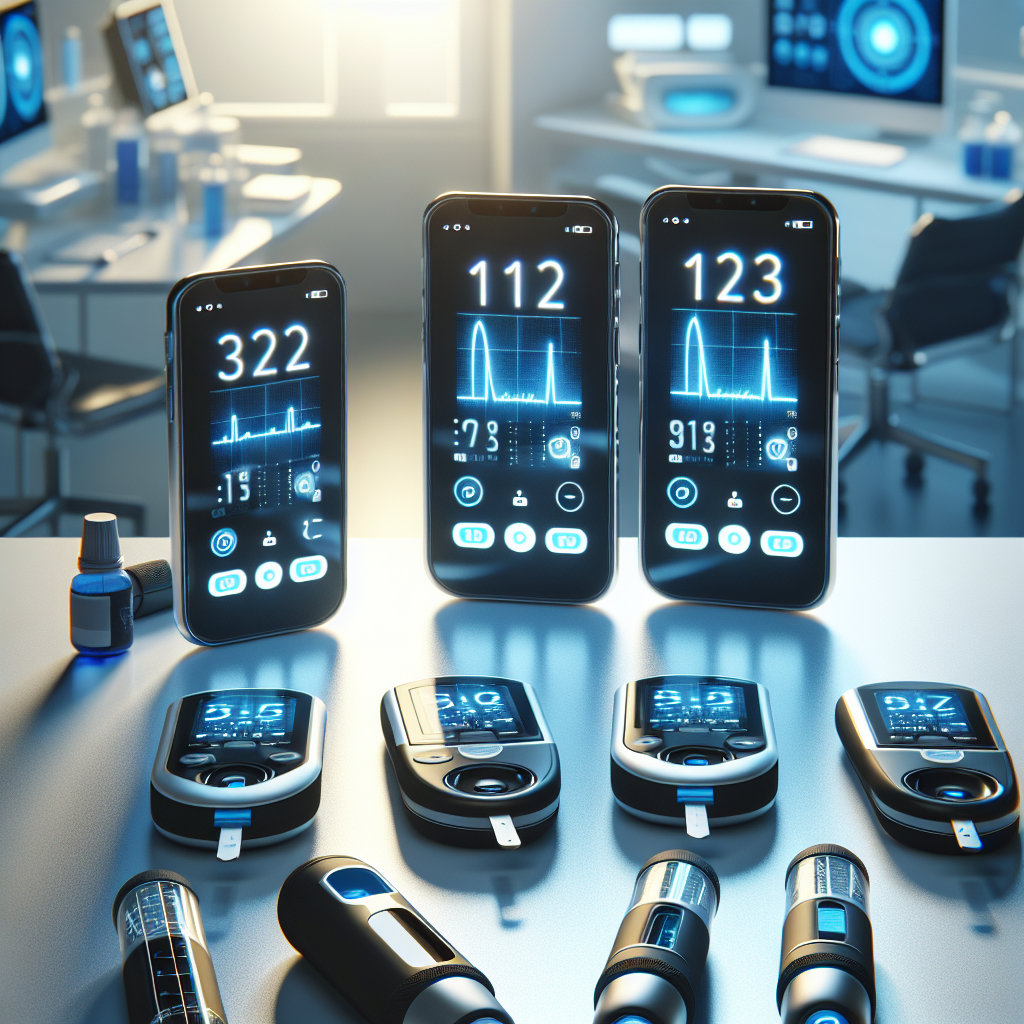
Modern blood glucose meters offer intuitive interfaces, touchscreen capabilities, and voice-guided instructions. Bluetooth and Wi-Fi connectivity allow seamless synchronization with mobile apps and cloud-based platforms, facilitating advanced data analytics and remote monitoring by healthcare professionals.
Comparing Top Blood Glucose Meters of 2026
Accuracy and Ease of Use
Models vary in testing methods, sample volume requirements, and error margins. The top contenders combine minimal blood sample demand with rapid test results under five seconds. Emphasis on accessibility ensures users with dexterity issues or vision impairment can operate devices confidently.
Key Features That Improve Daily Management
Integrated insulin dosing calculators, customizable alerts, and trend analysis are among notable features enhancing management precision. Additionally, some meters focus on environmental sustainability through reusable lancets and rechargeable batteries.
Pricing and Value Considerations
Price points range from budget-friendly to premium, often reflecting feature sets and connectivity options. Evaluate long-term expenses such as test strips and sensors when assessing value. Comprehensive reviews integrating user feedback and expert evaluations prove invaluable when making purchase decisions.
For a broader understanding of cost-effective options, the article on Top Blood Glucose Monitors of 2026: Accurate & Cost-Effective offers detailed analysis and recommendations.
Complementary Medical Products for Diabetic Care
Optimizing diabetic management often involves an ecosystem of health devices. Exploring related medical supplies such as mobility aids can enhance overall patient well-being. Refer to our insights on Top Mobility Aids 2026: Walkers, Wheelchairs, and Scooters to understand their role in chronic disease management.
Conclusion
Choosing the right blood glucose meter in 2026 requires a balanced consideration of accuracy, usability, connectivity, and cost. The latest models provide enhanced functionality suitable for diverse user needs, from tech-savvy patients to those requiring simpler solutions. Evaluating user reviews alongside expert opinions enables well-informed decisions that support improved diabetic care and overall health outcomes.
Frequently Asked Questions
What improvements distinguish 2026 blood glucose meters from previous models?
2026 models incorporate advanced sensor technology, AI-driven accuracy enhancements, improved user interfaces, and expanded connectivity for seamless data management.
Are continuous glucose monitoring (CGM) systems included within these meters?
While traditional meters focus on spot testing, many modern devices integrate with or complement CGM systems, offering users comprehensive glucose monitoring options.
How important is connectivity in choosing a glucose meter?
Connectivity enables automatic data transfer to apps and healthcare providers, facilitating better trend analysis and customized care plans, which is increasingly important in diabetes management.
What should users consider regarding costs beyond the meter price?
Users should evaluate ongoing expenses such as test strips, lancets, sensors, and batteries to estimate total cost of ownership and determine value.
Can blood glucose meters be used by individuals with physical limitations?
Many 2026 meters feature accessible designs, larger displays, voice commands, and simplified operation to accommodate users with dexterity or vision challenges.
