- Your cart is empty
- Continue Shopping


Top Blood Pressure Monitors for Accuracy and Affordability 2026

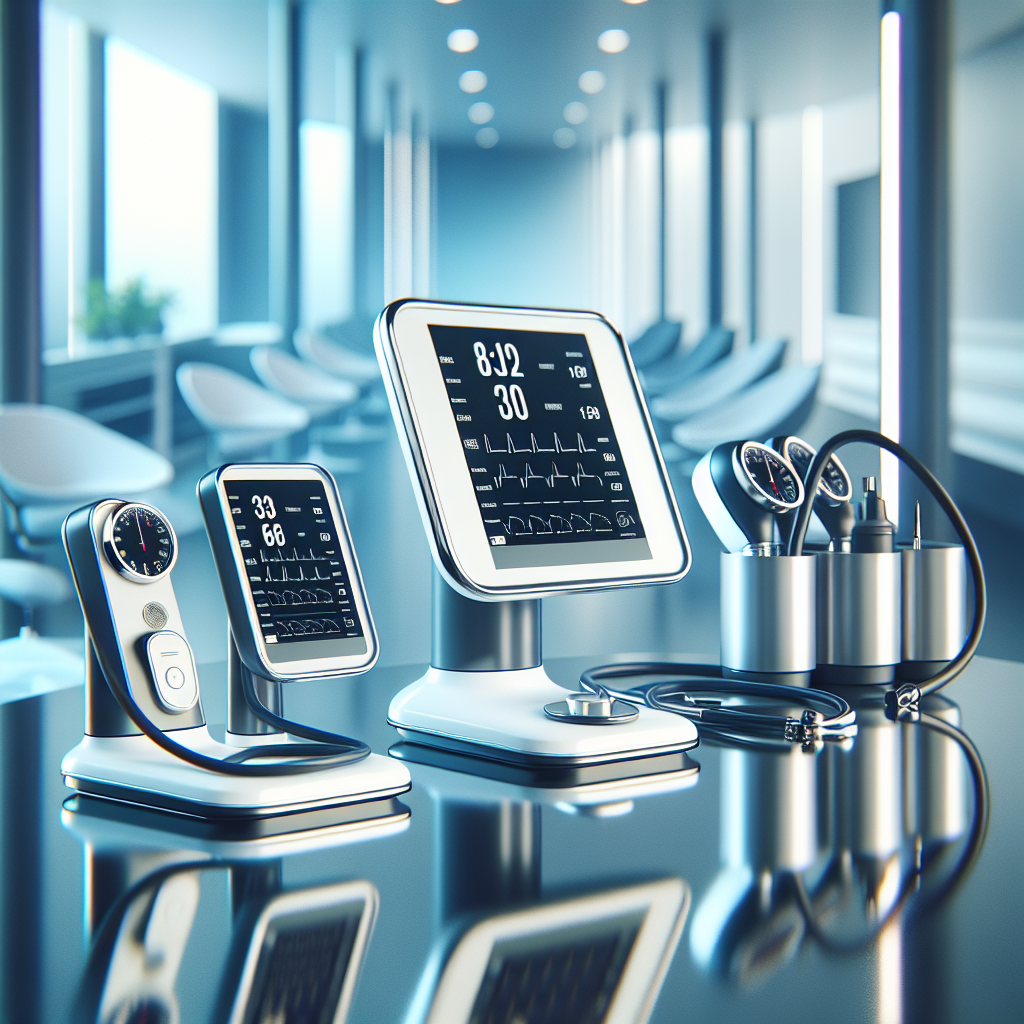
Key Takeaways
- Choosing a blood pressure monitor involves evaluating accuracy, ease of use, and affordability to meet individual health monitoring needs.
- Latest advancements in 2026 prioritize user-friendly interfaces, smart connectivity, and clinical-grade accuracy certifications.
- Certified devices adhering to international medical standards ensure reliable readings critical for managing hypertension and overall wellness.
- Consumer trends show a rising demand for compact, app-integrated monitors that simplify tracking and healthcare communication.
- Informed decisions about blood pressure monitors impact daily health management, emphasizing quality medical supplies in home care.
Introduction
Blood pressure monitoring remains a cornerstone of preventive healthcare and chronic disease management. As technology advances into 2026, blood pressure monitors have evolved substantially, offering a blend of accuracy, convenience, and affordability to consumers. Selecting the right device is imperative for effective personal health tracking, given the critical role blood pressure plays in cardiovascular health. This article explores the latest developments in blood pressure monitoring technology, providing detailed comparisons of top models that excel in accuracy, ease of use, and price. Additionally, we discuss relevant industry standards and certifications that influence monitor quality, helping you navigate the many options available.
Understanding current consumer trends can further inform your choice, revealing preferences such as smart features and portability. By aligning product selection with trusted guidelines and real-world usability, you can secure a monitor that not only fits your budget but also supports reliable health assessments. For deeper insights into the importance of reliable medical tools, consider reading Why Quality Medical Supplies Matter in Healthcare.
Latest Advancements in Blood Pressure Monitor Technology for 2026
Enhanced Accuracy Through Advanced Sensors
Modern blood pressure monitors employ refined oscillometric sensors and algorithms calibrated for clinical precision. Innovations include real-time artifact correction that filters out movement and irregular heartbeat interferences, delivering consistent readings. These features have significantly improved the reliability of home monitoring devices to the standard often reserved for clinical equipment.
Smart Connectivity and Data Management
Integration with smartphones and wearable devices is now a standard offering, allowing users to seamlessly record and track their blood pressure trends. Mobile apps provide graphical data displays, reminders, and data-sharing capabilities with healthcare providers, helping to enhance patient engagement and clinical decision-making.
User-Friendly Designs
Manufacturers focus on ergonomic cuff designs, large clear LCDs, and intuitive interfaces accessible to all age groups. Furthermore, voice assist functionality and multi-user memory storage address needs in diverse household settings, promoting long-term adherence.
Industry Standards and Certifications
International Validation Protocols
Devices validated under protocols such as the AAMI/ESH/ISO standards guarantee clinically accepted measurement accuracy. These certifications are essential benchmarks, often indicating FDA clearance or CE marking, which reassure users of product reliability.
Impact on Product Quality
Certified monitors undergo rigorous testing on diverse populations, including those with arrhythmias, asserting robustness under varying physiological conditions. Understanding these standards is key when evaluating models beyond price and appearance.
Consumer Trends Shaping the Market
Rising Demand for Portability and Convenience
Compact, lightweight devices that fit into travel kits align with the modern lifestyle, echoing the growing importance of health monitoring everywhere. This mobility is combined with rechargeable batteries and quick inflation technology to reduce user burden.
Preference for Integrated Health Ecosystems
Consumers increasingly prefer monitors compatible with health platforms such as Apple Health or Google Fit. This trend supports holistic wellness management, enabling users to correlate blood pressure data with physical activity, sleep, and medication routines.
Increased Interest in Cost-Effective Options
While premium models lead in features, affordable monitors with core accuracy and user-friendly features remain popular, ensuring wide accessibility without compromising essential health monitoring standards. For guidance on navigating options, see How to Choose the Right Blood Pressure Monitor.
Price vs. Performance: Finding the Best Value
High-End Models
Top-tier monitors combine clinical-grade accuracy, multiple user profiles, and connectivity features. They suit users requiring detailed monitoring and seamless data sharing. Examples include models from established brands known for innovation in medical diagnostics.
Mid-Range Devices
These provide balanced performance with reliable accuracy and some smart features like app sync and memory storage. They represent the best value for most home users prioritizing ease of use and trustworthy measurements.
Budget-Friendly Choices
Entry-level monitors are typically straightforward with manual controls and essential features. These models ensure blood pressure tracking for users with minimal tech needs, emphasizing core functionality supported by basic industry standards.
Conclusion
Selecting a blood pressure monitor is a decision that impacts daily health management and long-term wellness. The best devices in 2026 combine validated accuracy, user convenience, and affordability tailored to personal preferences and medical requirements. By considering advancements in technology, compliance with international standards, and changing consumer demands, you can choose a monitor that delivers dependable results. Remember, investing in a quality blood pressure monitor is part of acquiring essential medical supplies every home should have to support proactive healthcare. Armed with detailed comparisons and expert insights, you can confidently enhance your personal health monitoring strategy.
Frequently Asked Questions
What factors determine the accuracy of a blood pressure monitor?
Accuracy is influenced by sensor quality, cuff fit, and validation against clinical reference devices. Monitors certified by recognized standards ensure measurement consistency by passing extensive testing.
Are smartphone-connected blood pressure monitors more reliable?
Connectivity does not inherently improve accuracy but enhances usability through automated tracking and reminders. The underlying sensor and certification status remain the primary accuracy determinants.
How often should blood pressure monitors be calibrated or replaced?
Manufacturers typically recommend recalibration every 1-2 years depending on usage. Regular device checks and following user manual guidelines ensure ongoing accuracy. Replacement is advisable if readings become inconsistent.
Can inaccurate blood pressure readings impact health management?
Yes, incorrect readings can lead to misdiagnosis or inappropriate medication adjustments. Reliable monitors supported by industry standards reduce such risks and improve monitoring confidence.
Is it necessary to have multiple user profiles on a blood pressure monitor?
For households with multiple users, multiple profiles allow personalized tracking and data storage, preventing data overlap and ensuring accurate historical monitoring for each individual.
