- Your cart is empty
- Continue Shopping


Top Blood Pressure Monitors 2026: Features & Reviews

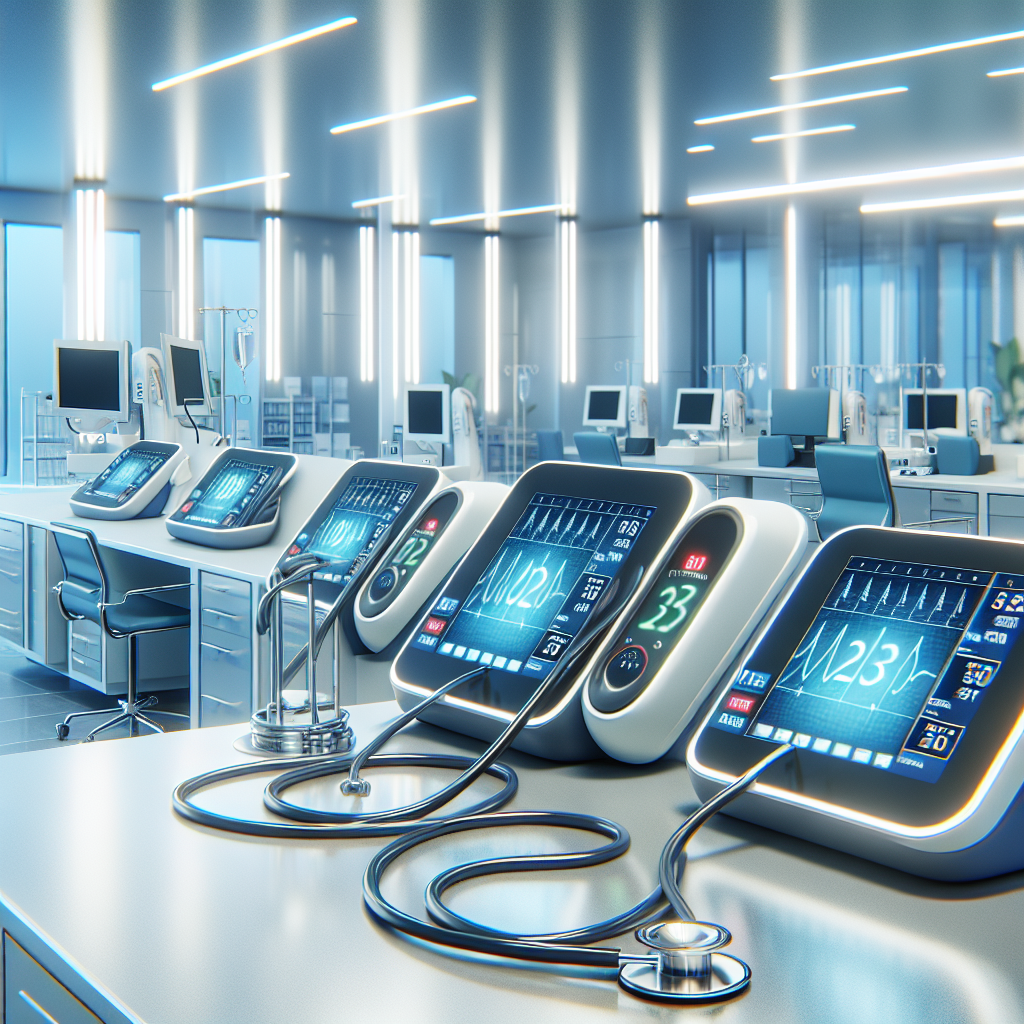
Key Takeaways
- 2026 blood pressure monitors integrate advanced accuracy features and user-friendly interfaces tailored for diverse patient needs.
- Elderly users benefit from monitors with large displays, simple navigation, and irregular heartbeat detection.
- Choosing the right monitor requires balancing medical features with cost-effectiveness, guided by expert and user reviews.
- Compatibility with digital health platforms is increasingly important for ongoing health management.
Introduction
As hypertension continues to affect millions worldwide, accurate and reliable blood pressure monitors have become indispensable tools for managing cardiovascular health at home and in clinical settings. The year 2026 introduces an impressive range of monitors that cater not only to accuracy standards but also to usability enhancements for specific demographics, including elderly patients and individuals with chronic conditions.
This comprehensive review explores the top blood pressure monitors of 2026, highlighting the latest advancements in accuracy, ease of use, and feature sets. By comparing models based on technology, user experience, and cost-benefit analyses, readers will gain insights into selecting devices that best fit their medical needs and lifestyle. Additionally, expert and user feedback further inform these selections, aiming to empower consumers to make well-informed purchasing decisions tailored for optimal health outcomes.
Advancements in Blood Pressure Monitor Accuracy
Enhanced Sensor Technology and Validation Standards
In 2026, blood pressure monitors incorporate increasingly sophisticated sensors utilizing piezoelectric and optical technology to deliver clinically validated accuracy. Many devices now meet or exceed international protocols such as the AAMI and ESH standards, ensuring dependable readings critical for hypertension management.
Calibration and Self-Diagnostic Features
Modern monitors offer auto-calibration systems and self-diagnostic checks that alert users to cuff placement errors and device malfunctions. These features reduce measurement variability and enhance long-term reliability, supporting consistent home monitoring routines.
User Experience and Accessibility for Elderly Patients
Intuitive Design and Display Enhancements
Recognizing the challenges elderly users face, top models emphasize large, high-contrast LCD screens and simple one-button operations. Voice guidance and irregular heartbeat detection serve as vital tools to promote ease of use and early detection of anomalies.
Memory Functions and Connectivity
Many monitors now include multi-user memory storage and Bluetooth connectivity for seamless data sharing with caregivers or healthcare providers. These capabilities are especially beneficial for elderly patients managing multiple health conditions requiring frequent monitoring.
Models Catering to Specific Medical Needs
Hypertension and Arrhythmia Focused Devices
Specialized models integrate algorithms for detecting arrhythmias and distinguishing white-coat hypertension. These devices provide enhanced diagnostic support, facilitating more precise treatment adjustments by physicians.
Integration with Health Management Platforms
Leading brands offer compatibility with digital health ecosystems, enabling users to track trends over time and share data across telehealth applications. This connectivity underlines the trend toward holistic, data-driven cardiovascular care.
Cost-Benefit Analysis and User Reviews
Balancing Price and Features
While high-end models provide comprehensive features, cost-effective alternatives deliver reliable accuracy with core functionalities. Understanding the trade-offs between price points and technology helps consumers identify products that align with budget constraints without compromising health outcomes.
Expert and Consumer Feedback
Independent reviews and user testimonials shed light on real-world performance and durability. For an expanded view of medical product effectiveness in 2026, consider exploring the Top Medical Products Compared for Effectiveness in 2026, which contextualizes blood pressure monitors among leading home health devices.
Conclusion
The top blood pressure monitors of 2026 represent a significant leap forward in accuracy, user accessibility, and feature integration. Selecting the optimal device involves assessing individual medical needs, ease of use—especially for elderly patients—and cost considerations. By leveraging expert insights, user experiences, and advanced technology validations, patients can enhance their hypertension management strategies effectively. For those interested in complementary health technology, the Best Blood Glucose Meter 2026 review provides similarly thorough guidance on monitoring other key health metrics at home.
Frequently Asked Questions
What features should I prioritize when choosing a blood pressure monitor in 2026?
Focus on accuracy validated by standardized protocols, ease of use (especially large displays and simple controls), memory capacity, and data connectivity. Features like irregular heartbeat detection and cuff size adaptability are also important, tailored to your specific health needs.
Are wrist blood pressure monitors as reliable as upper-arm ones?
Upper-arm monitors generally provide more accurate and consistent readings. However, some advanced wrist monitors with proper positioning sensors can offer reliable results but require strict adherence to usage guidelines.
How often should home blood pressure monitors be calibrated?
Calibration is typically recommended every two years or as advised by the manufacturer. Many 2026 models feature self-diagnostic functions that notify users when recalibration or servicing is needed.
Can blood pressure monitors detect irregular heartbeats?
Yes, many monitors in 2026 include arrhythmia detection algorithms that alert users to possible irregular heartbeats, allowing timely consultation with healthcare providers.
Is data sharing with healthcare providers widely supported by modern monitors?
Yes, most leading models offer Bluetooth or Wi-Fi connectivity enabling seamless integration with apps and telehealth platforms for remote monitoring and physician review.
